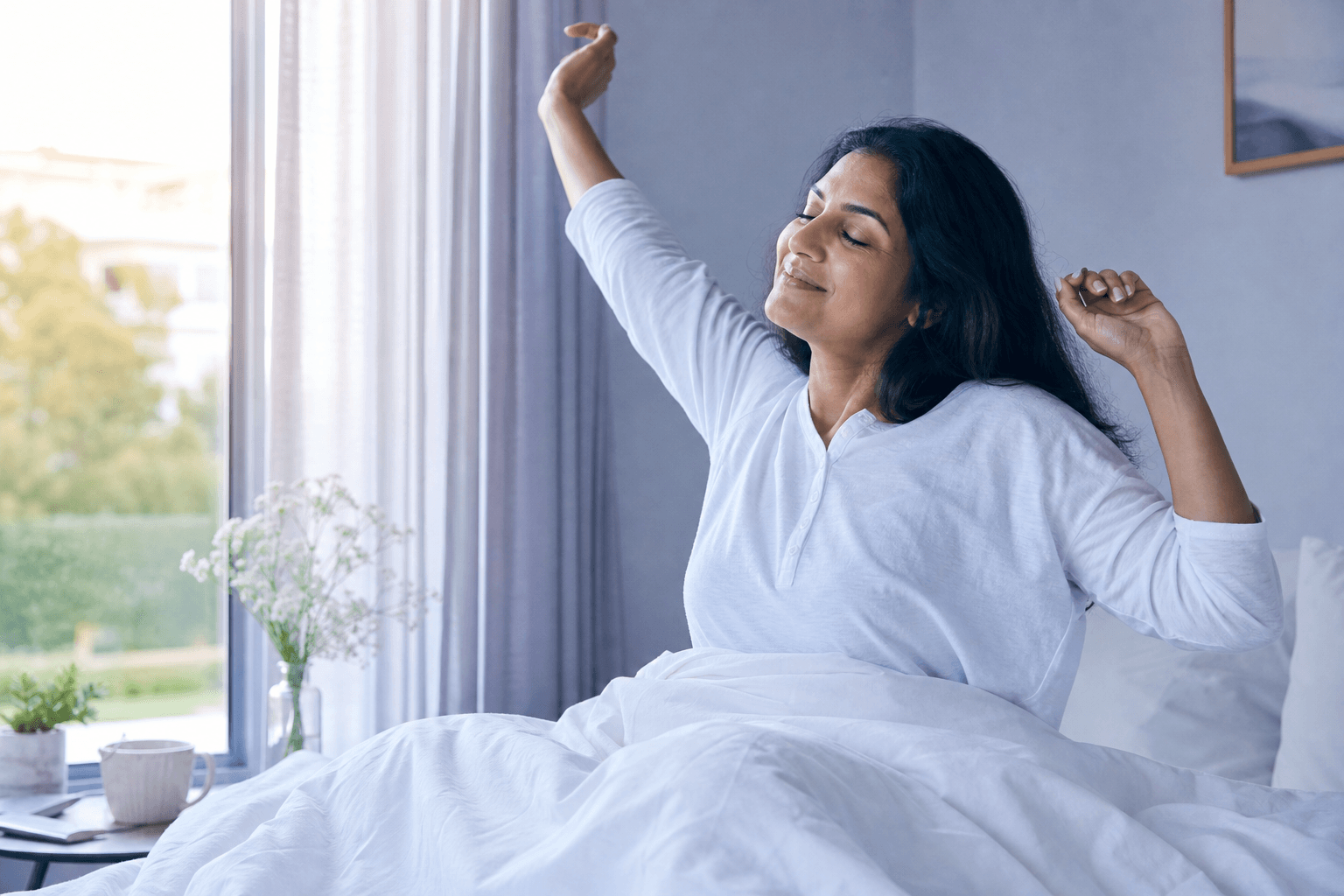
For most of her thirties, Aanya measured time in pills. Two for sleep, one for the morning anxiety, one more if the afternoon turned sharp. She was a partner at her firm, a mother of two, and increasingly, a stranger to herself.
She came to us in the autumn, exhausted and apologetic, as if needing help were itself a failure.
We did not give her a programme. We gave her a question - what does your body do at 3 am that it does not do at 3 pm? She did not know. So we listened together for six weeks.
What emerged was not a single answer but a quiet pattern. Her gut was inflamed. Her cortisol curve was inverted. Her breath, when she paid attention, came only as far as her collarbones.
The slow undoing
We began with what she ate, but really we began with how she ate. Standing, distracted, scrolling. We asked her to sit. Just that. For two weeks, just sit.
By the third month, her sleep had begun to return - not all at once, but the way light comes back after a long winter. Hesitantly. Then more certainly.
A different kind of evening
By month four she had built a ritual she called the slowing. Forty minutes of no screens. A warm shower. Magnesium. A page or two of something kind to read. The pills, one by one, became unnecessary.
She still has anxious days. She no longer fears them. They pass through her, she says, like weather.
"For the first time in twenty years, I slept through a whole night. I had forgotten what morning felt like without dread."
Aanya Raghavan continues to work with us, in lighter and lighter rhythms. Their story, like all stories worth telling, is still unfolding.